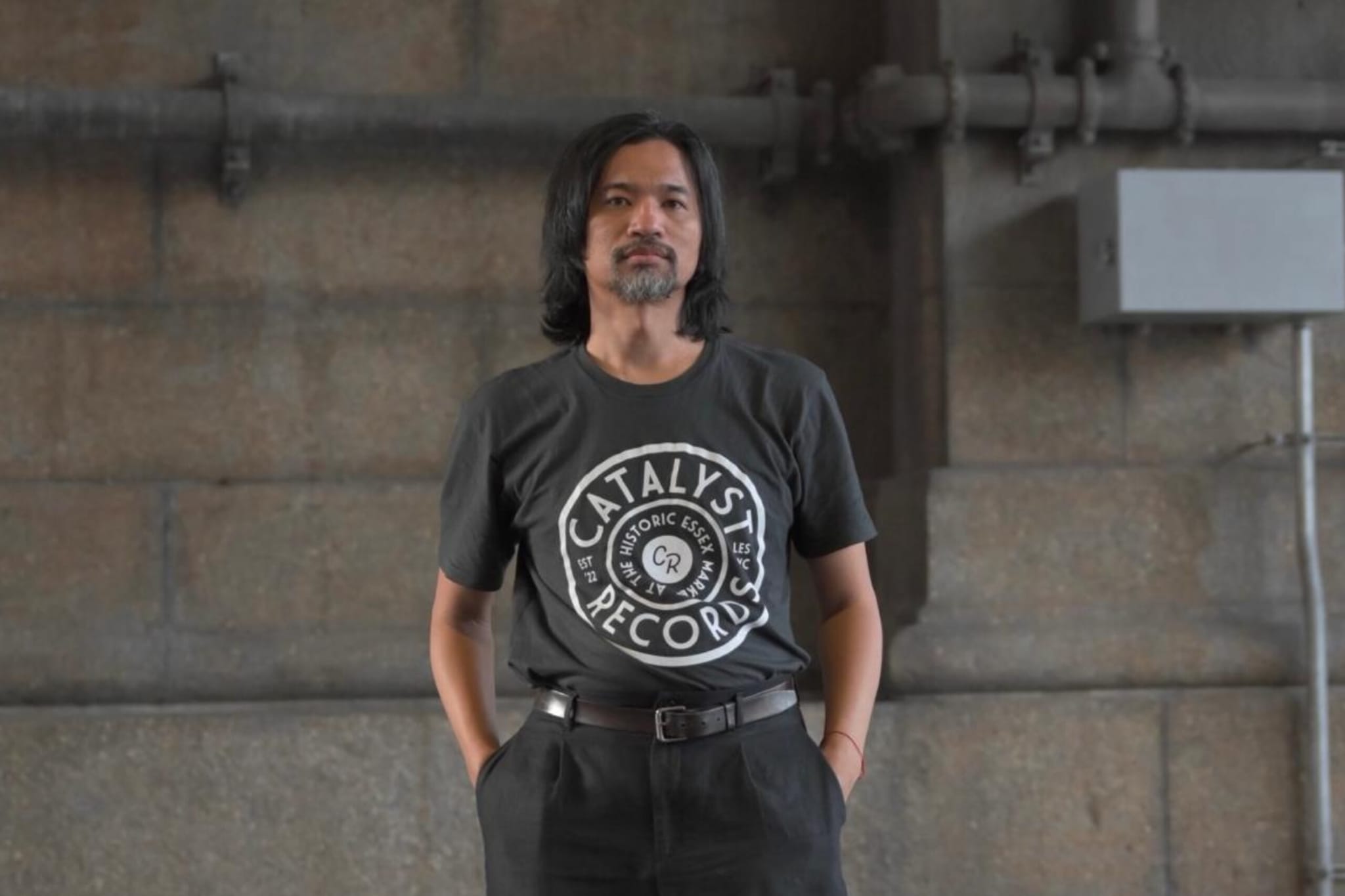
Zeke Khaseli, A Journey Through Film Scoring, Band, and Solo Work
He is a well-recognized figure in both the film community and the independent music scene across Asia, especially in Indonesia. His work in film scoring has reached international audiences, with projects showcased at prestigious festivals such as Cannes, Sundance, Toronto, and Berlin. In New York, indie film enthusiasts became familiar with his compositions through "Marlina the Murderer in Four Acts", an Indonesian thriller drama which was featured at the IFC Center in West Village. Most recently, his music for the psychological thriller "Smothered," produced by Joko Anwar ("Nightmares and Daydreams") and directed by Rafki Hidayat and Kevin Rahardjo, is now available for a global audience to stream on Netflix starting this month.
Zeke Khaseli Gumelar, is a very talented composer and musician. He is an award-winning Indonesian musician and film score composer who have won the best film composer at the 56th Asian Film Festival ( What they Don’t Talk About When They Talk About Love, 2013) and Best Film Score at the Indonesian Film Festival Awards (Fiksi, 2008 and Marlina Murderer in Four Acts, 2018). Zeke, that is what he is called, mostly produced his music in his music studio in his apartment in Brooklyn and and his studio in Jakarta. A music graduate from Seattle University and The New York Film Academy, has been known with his originality in composing organic soundscape and frequently collaborating on experimental music and visual art installations.
Not only that, his ideas and artistic inspirations emerged in both predictable and unexpected moments. During the pandemic, when New York became an empty and quiet city, his creativity found new life expression through music. The silent city became a spirit and inspiration behind the production of 11 songs, which he later compiled into a vinyl album titled "Zeke Khasali". This album is available at Catalyst Record, a vinyl store located in Essex Market, New York.
As a musician, Zeke, who used to be a member of the band Lain where he was a vocalist, pianist, and guitarist, along with his bandmate Leonardo Ringo, formed the psychedelic folk rock band Zeke and The Popo (ZATPP). After releasing the film soundtrack "Ghost Circuit", from the film "Smothered," the band continued building momentum toward their highly anticipated sophomore album, Crazy Life, with their second single, "Reel 4". Through this track, ZATPP demonstrates that musical maturity isn't always about grandeur but rather the creation of contemplative spaces built with precision. Written by Zeke Khaseli, Reel 4 is a study of stillness amidst the shifts of an uncompromising world. While "Ghost Circuit" felt more enigmatic, this track feels closer and more personal.
Last week, at the lunch table in Koreatown, Manhattan, while eating Korean sulungtang and kimchi, I finally talked with Zeke and explored the inspiration behind his music story. As a very humble person, Zeke spoke about his music.
Q: Hi Zeke, how are you? What have you been busy with lately?
A: I’m doing good, thanks for asking! Been pretty chill lately, mostly just finishing up some scores and overseeing the band’s new album.
Q: Currently, you released your new single “Zeke and The Popo - Reel 4 feat. Kaneko Pardede” on various digital platforms. It’s a very touching song about loneliness and the desire to return from wherever you are. What inspired you to write this song?
A: The inspiration for this one came in waves. I remember the chorus, both the melody and lyrics, just hit me while I was at my studio in Jakarta back in 2024. Not long after, I finished the verses and the rest of the melody. A year later, I went back to it and wrote the interlude. The real "happy accident" happened when we decided to put it on the album; that’s when Kaneko added those backing vocals that really tied it together.
The song is all about the things I actually have power over: my attention and my willpower. I’ve been studying Hermetic philosophy, and I’m a big believer that the universe is mental. For me, music is the way I control those parts of myself. "Home" is really just finding that right headspace by raising your mental vibration.
Q: Listening to your music reminds me of the UK alternative scene, such as “I Will” by Radiohead and “Beware of Darkness” by George Harrison. Do you have specific musical influences or references?
A: I like both of those songs. It's interesting that you bring up Harrisong’s Beware. There’s just something about those classic "Harrisongs" chord progressions and they fit his voice perfectly. I love how he’d sneak a diminished chord into the arrangement; it’s such a signature move that makes his music hit different. Plus, his lyrics about the spiritual plane really resonate with what I'm writing. Aside from them, I’m definitely pulling from Elliott Smith, Massive Attack and pretty much anything Damon Albarn touches Blur, Gorillaz, and The Good, the Bad & the Queen.
Q: Your latest work with Zeke & The Popo, “Ghost Circuit”, became the theme song for the film "Smothered", which is quite dramatic and can be watched on Netflix. How was the process of composing this song and its music?
A: Well. This song is written by a new member of the band, our guitarist, Yosaviano. I just helped him a little with the vocal melodies. He came prepared with every part of the song and handed the demo to our producer, Jonathan Pardede who does the arrangement for the song. Yes the song became the end credit song for the movie at the very last minute. After we finished the audio mix of that film in the studio, the producer, Joko Anwar, asked me if I had any songs that I could put there. He picked that song out of the six selections I gave him.
Q: Was it inspired by the atmosphere of New York City?
A: That’s a cool connection! The song totally captures that NYC vibe. I’ve actually been listening to the mixes while walking around the city, and I just noticed how much of the city's actual sound and energy leaked into the music. It makes sense, too, so I just finished scoring Smothered using a bunch of NYC field recordings, so that definitely must have rubbed off on the album.
Q: During the COVID period, when New York became a quiet, almost a “dead” city around 2019 to 2021, you became even more creative by releasing the album “Zeke Khaseli”, which was very remarkable. It contains 11 tracks. What was your goal in producing this album?
A: Back in 2010 in Jakarta, I went on this crazy 17-week streak of dropping a free track every week. I wanted to keep it going forever, but I had to stop because a label offered to turn the project into an album (which became Salacca Zalacca). Flash forward 10 years in NY, and I tried a new rhythm: one song and one music video every month. I kept that up for 14 months and ended up picking 11 of them for a vinyl release, basically all that would fit on the wax.
Lyrically, I’ve been using my daily dreams to tell stories and process things since my third album, "Yth Siapa", but now I’m writing in English. I’m basically trying to figure out how to tap into that "creative outpouring" to make art and regain that same drive I had for years.
Q: How did you manage the production process during the pandemic, when everything seemed to be on pause?
A: I've got a ton of free time since film scoring work was non-existent then. Honestly, shooting music video with my wife and friends was a total blast, it’s so much easier to film when the world is empty. I think that everyday "madness" during the COVID era got in my head and shifted my creative vibe. Plus, I’ve always had this rebellious side that wants to push boundaries and do things differently, especially with everything that happened during that covid time.
Q: In terms of your creative process, how do you differentiate between making music as a band member and composing for films? Is there a connection between these two artistic roles?
A: Both methods are different, but they definitely overlap. Like those field recordings and samples I used for the "Smothered" score, I ended up using them for the band’s album, too. For example, there’s this one track on the new record where I wrote a rally song after hearing a chant I recorded at a Pro-Palestine protest. Sometimes a specific sound just sticks with me, and I’m always looking for ways to bring it to life, whether it’s in a song or a film score.
Also, when you're scoring, it’s all about the soul of the story and making those characters feel real. The rhythm and timing are your tools for building tension or shifting the mood-basically using sound to pull at people's heartstrings. But with songwriting? That’s a whole different beast. It feels like there are zero rules. It’s just pure, total freedom to do whatever you want.
Q: When it comes to songwriting, how do you find inspiration for your lyrics?
A: Honestly, after more than 20 years, my creative process is just grabbing inspiration wherever it pops up-street scenes, random thoughts, or dreamland.
Q: As a musician working across two cities, New York and Jakarta, with different cultures, arts, and languages, how does this influence your music?
A: Honestly, I know what I bring to the table musically. I don't overthink it, there are no 'board meetings' or reassessing the life I’m at right now for my music. It’s just natural. It’s all the stuff I soak up just living life, like hitting up Caffe Vita or walking around the city for hours. When I sit down to sing or play, it all just comes out.
Q: Do you have any tips for young musicians who want to pursue a career like yours, especially those in the diaspora aiming to build a career in the United States?
A: When I first moved to Seattle for school back in '96, I grabbed a Fostex four-track, a vintage 1968 Gibson guitar and the thickest Beatles songbook I could find. I made it my mission to study every single one of their songs just to figure out how to write my own. It actually paid off, too, all that work eventually turned into songs for Zeke and the Popo and my solo projects years later. You get the vibe.
Q: Where can your fans get in touch with you?
A: Just hit me up on IG @zeke_khaseli, it's the easiest way.
Q: Thank you!
A: Cheers!
Written by Naratama (April 2026) / Photo by Farial Fatah